Smil, Unit 69-70, Dockside Outlet Shopping Centre, Maritime Way, St Mary's Island, Chatham, ME4 3ED


Smil, Unit 69-70, Dockside Outlet Shopping Centre, Maritime Way, St Mary's Island, Chatham, ME4 3ED


Some days, your oral care routine feels effortless. You brush, rinse, maybe floss, and everything feels like it’s on track.
On other days, things slip a little. You brush a bit too quickly, forget to clean between your teeth, or grab a snack on the go without thinking twice.
If this sounds familiar, don’t worry – it happens more often than you might think. Even people with good daily routines can pick up small habits that quietly affect their oral health over time.
The key is simply recognising them early and making a few small adjustments. Here are five common habits that could be undoing your hygiene efforts, and how to gently put them right.
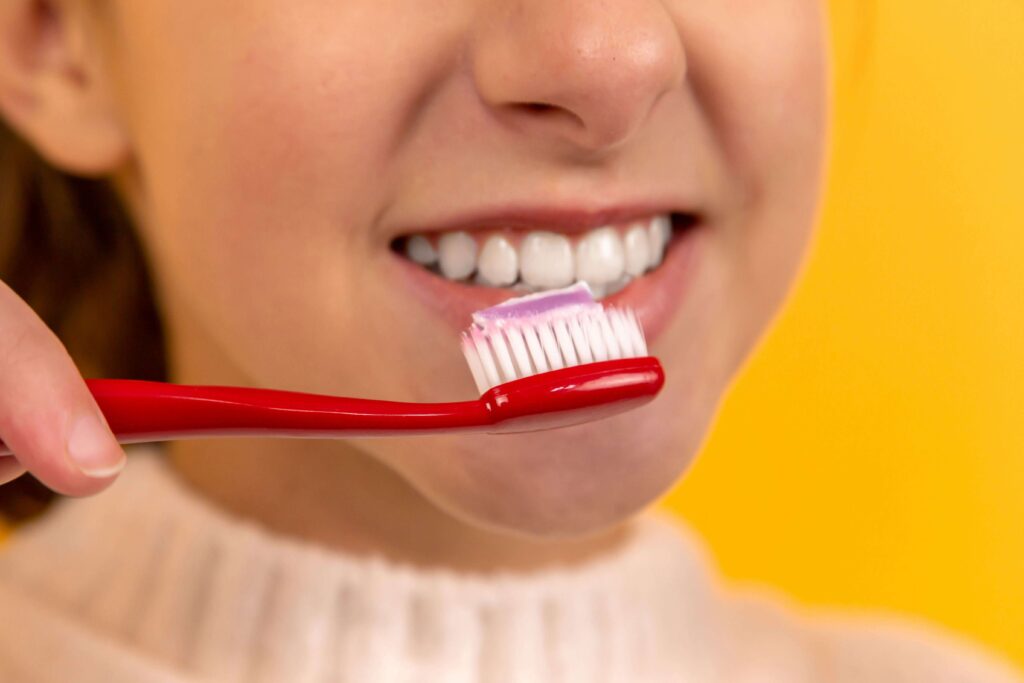
Many people think that brushing harder means cleaner teeth. It feels productive, like you’re doing a more thorough job.
But in reality, too much pressure can gradually wear down enamel and irritate the gums.
A gentler approach is usually far more effective. Small circular movements with a soft-bristled toothbrush tend to clean just as well, while protecting the teeth and gums.
Electric toothbrushes with pressure sensors can also help take the guesswork out of it.
During a hygienist appointment, we can usually spot early signs of overbrushing and help you adjust your technique before it becomes an issue.
Even with great brushing, there are always areas a toothbrush can’t quite reach.
Over time, plaque and bacteria can quietly build up between the teeth if these spaces aren’t cleaned regularly.
If your gums bleed when you floss, it can feel natural to avoid it. But more often than not, this is a sign those areas need a little more attention, not less.
Floss, interdental brushes or water flossers can all work well – it’s about finding what fits easily into your routine.
Most people are surprised by how quickly things improve once this becomes a regular habit.
It’s not just what you eat or drink – it’s how often your teeth are exposed to it.
Frequent snacking, sipping fizzy drinks or grazing throughout the day can keep the mouth in a more acidic state for longer, which can gradually weaken enamel.
Even foods that seem healthy, like fruit juices or smoothies, can contribute when consumed often.
Simple changes help here: drinking water between meals, reducing constant snacking, and giving your teeth time to recover naturally.
Healthy gums should not regularly bleed.
If you notice bleeding when brushing or flossing, it’s usually a sign that the gums are inflamed and need a bit more care.
The positive side is that gum health is often very responsive to small improvements in daily cleaning and professional care.
With consistent brushing, interdental cleaning and regular hygiene visits, gums often settle and improve over time.
It’s very common to wait until something feels wrong before booking a dental or hygiene visit.
But most oral health issues develop slowly, without obvious symptoms at first.
That’s why regular hygienist appointments are so valuable – they help keep things on track, remove build-up you can’t reach at home, and spot early changes before they turn into bigger concerns.
For many people, it becomes less about fixing problems and more about simply maintaining a healthy, comfortable smile.
A hygienist appointment often works as a reset point for your oral health routine.
Even with good brushing and flossing habits, there are areas that are difficult to keep fully clean at home. Over time, plaque can harden into tartar in these areas, which can’t be removed through brushing alone.
A hygienist helps remove this build-up and checks the health of your gums, looking for early signs of inflammation before they develop further.
It’s also an opportunity to get tailored advice based on your mouth specifically – from brushing technique to the most effective interdental tools for your teeth.
For many people, it simply helps everything feel more manageable. Small adjustments made during these appointments often make daily care easier and more effective.
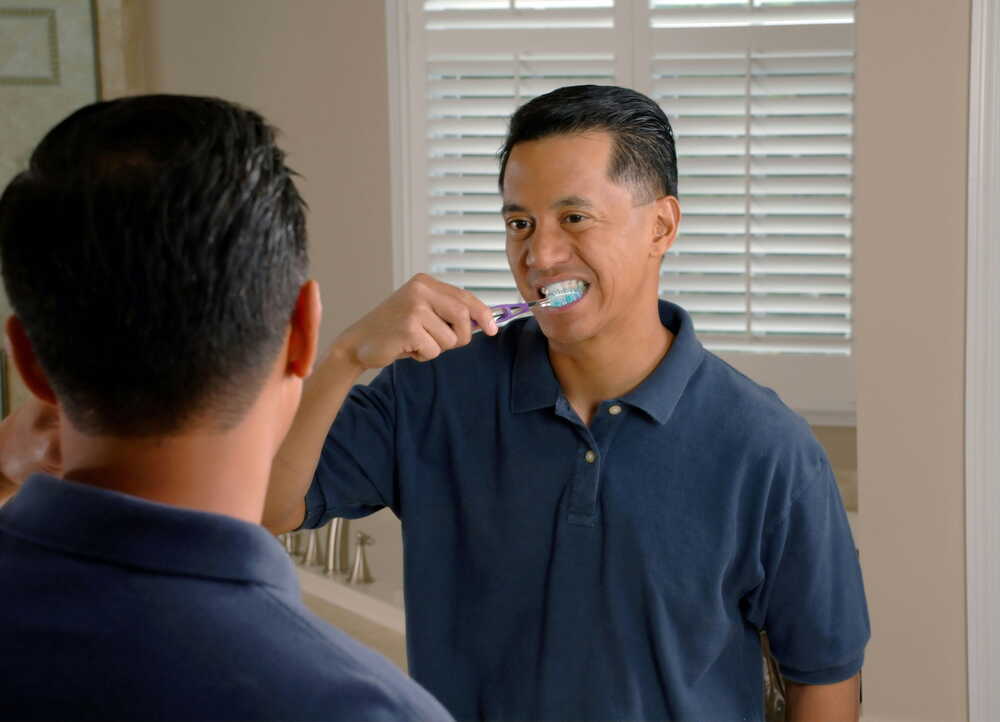
Oral health doesn’t need to be perfect. It just needs consistency.
Most issues build slowly, and most improvements do too.
The good news is that with the right habits – and regular hygienist appointments – it’s very easy to stay ahead of problems and keep your smile feeling fresh and healthy.
If it’s been a while since your last visit or you’d like support with your routine, our team is always happy to help.
To book your appointment or speak to our Chatham team, get in touch today.
Back to BlogSmil, Unit 69-70, Dockside Outlet Shopping Centre, Maritime Way, St Mary's Island, Chatham, ME4 3ED