Smil, Unit 69-70, Dockside Outlet Shopping Centre, Maritime Way, St Mary's Island, Chatham, ME4 3ED


Smil, Unit 69-70, Dockside Outlet Shopping Centre, Maritime Way, St Mary's Island, Chatham, ME4 3ED


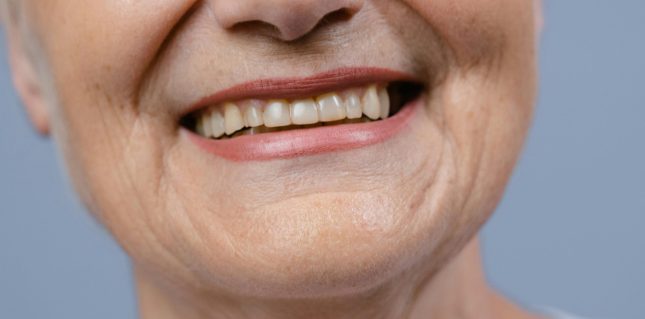
How lifestyle habits impact the brightness of your smile is something many people only start to think about when they notice their reflection looking a little different. Perhaps the teeth that once seemed effortlessly bright now appear slightly dulled or certain stains have become more noticeable over time.
The good news? Much of what affects the colour of your teeth is within your control and when you need a helping hand, teeth whitening can make a remarkable difference.
Let’s explore how everyday habits influence the brightness of your smile.
Teeth naturally change over time. Years of enjoying life’s little indulgences and even certain medications can all leave their mark.
There are two main types of staining:
Surface stains (extrinsic stains). These sit on the outer layer of the tooth (the enamel) and are usually caused by things like coffee, tea, red wine and smoking.
Internal stains (intrinsic stains). These develop deeper within the tooth. Ageing, trauma, certain medications and natural thinning of enamel can all make the inner layer (dentine) more visible, giving teeth a darker or more yellow appearance.
While some change is completely natural, lifestyle habits can speed up the process.
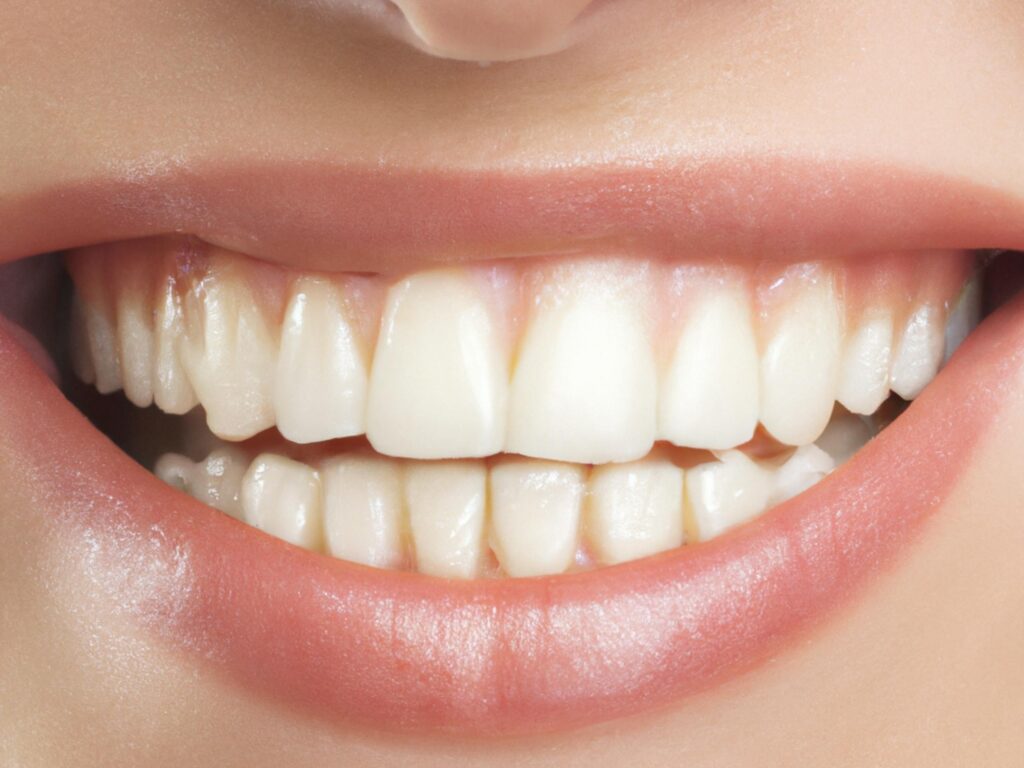
Tea, coffee and red wine
For many of us, our morning coffee or afternoon cup of tea is a non-negotiable. Over the years, however, these drinks can gradually stain enamel. Red wine contains both strong pigments and acids, making it particularly effective at leaving its mark.
Rinsing with water after drinking and using a straw for iced drinks can reduce contact with your enamel.
Smoking
Smoking is one of the most common causes of stubborn tooth discolouration. The tar in nicotine and tobacco create yellow and brown stains that become deeply embedded over time.
Even after quitting – which is fantastic for your overall health – the staining left behind may not fade on its own.
Acidic foods and drinks
Citrus fruits, fizzy drinks and vinegary foods can soften enamel temporarily. Over time, repeated acid exposure can thin enamel, making the naturally darker dentine underneath more visible.
As enamel becomes thinner with age, this effect can become more pronounced.
Wait at least 30-60 minutes before brushing after consuming acidic foods or drinks, as this will allow the enamel to harden and repair.
Frequent snacking
Grazing throughout the day gives your teeth little recovery time. Sugars feed bacteria, which produce acids that weaken enamel. Weaker enamel can look dull and be more prone to staining.
Inconsistent oral care
Life’s commitments can sometimes lead to less-than-perfect brushing and flossing routines. Over time, plaque build-up can make teeth appear yellow and tired.
Maintaining a twice-daily brushing routine with fluoride toothpaste and daily flossing is essential for keeping your smile bright.
Even with excellent oral hygiene and mindful habits, some staining simply won’t budge. That’s because over-the-counter products, such as whitening strips, are limited in strength.
They may help with very mild surface stains, but they cannot effectively treat deeper discolouration. In some cases, they can also cause uneven results or increased sensitivity if used incorrectly.
If you’ve noticed your teeth looking darker than they used to, or if special occasions and photographs have made you more aware of your smile, professional teeth whitening could be the solution.
Teeth whitening is a simple cosmetic treatment that uses safe bleaching agents to break down the molecules that cause staining. As these stain molecules are oxidised and lifted, your teeth appear noticeably brighter.
Whitening gels contain hydrogen peroxide or carbamide peroxide. These ingredients gently penetrate the enamel and target the compounds responsible for discolouration. Our experienced team carefully controls the process to ensure both safety and effectiveness.
Dentists have been providing safe, reliable whitening treatments for decades. Side effects are rare and, when they do occur, are typically mild and temporary – such as short-term sensitivity or minor gum irritation.
We understand that no two smiles – or lifestyles – are the same. That’s why we offer flexible whitening solutions tailored to you.
Boutique Whitening™
For at-home whitening, we love Boutique Whitening™. It offers professional-strength whitening in the comfort of your own home.
After a consultation, we create bespoke trays that fit your teeth precisely. You’ll use these trays with specially formulated whitening gel, following our guidance to achieve safe, gradual and natural-looking results.
Many patients appreciate the convenience. You can whiten your teeth while reading, watching television or relaxing at home – no disruption to your routine.
The best option depends on:
• The type and depth of staining
• Your lifestyle and schedule
• Your sensitivity levels
• Your desired results
At your consultation, we’ll assess your teeth and talk through your goals. Whether you’re preparing for a special celebration or simply want your smile to reflect how you feel inside, we’ll recommend the safest and most effective approach.
Yes – when carried out under professional supervision.
Although it may sound daunting to apply peroxide-based gels to your teeth, professional whitening is extremely safe. The products we use are clinically tested and we’ll thoroughly monitor you throughout your treatment.
If you’ve been hesitant because of concerns about sensitivity or discomfort, we’re always happy to answer your questions and put your mind at ease.
Once your smile is brighter, you’ll want to maintain the results.
For the first 48 hours after whitening, avoid highly pigmented or acidic foods and drinks. That includes:
• Red wine
• Tea and coffee
• Tomatoes
• Citrus fruits
• Berries
A simple rule? If it would stain a white T-shirt, avoid it temporarily.
Continue brushing twice a day and flossing daily. Wait at least a week before introducing whitening toothpaste, as teeth can be slightly more sensitive immediately after treatment.
Regular dental check-ups at our Chatham practice will also help maintain your results for the long term.
If you’ve been wondering whether teeth whitening could make a difference, we’d love to help. From your first consultation to your final results, we’ll guide you every step of the way, ensuring your treatment is safe, comfortable and tailored to you.
To book your consultation and explore your options, get in touch. We look forward to hearing from you.
Back to Blog
Smil, Unit 69-70, Dockside Outlet Shopping Centre, Maritime Way, St Mary's Island, Chatham, ME4 3ED